1725
Arthur Guinness is born in Celbridge.
His father Richard is land steward to Arthur Price, the Archbishop of Cashel — and brews ale for the household workers. The young Arthur learns the trade by watching, then by helping.
Home · History
Chapter One
A lease was signed in 1759 that would not expire until the year 10,759. Everything that followed — the brewery, the recipe, the harp, the global trade routes — is a footnote to that single act of confidence.
This is a long story compressed into a single arc: how a 34-year-old Irish brewer with a small inheritance turned an under-loved Dublin gate into the spiritual home of a beer style — and how that style outlived empires, emigrations, and at least three reinventions of beer itself.
Below: the timeline, broken into milestones. Each links to a longer essay where useful.
His father Richard is land steward to Arthur Price, the Archbishop of Cashel — and brews ale for the household workers. The young Arthur learns the trade by watching, then by helping.
Arthur uses the legacy to start a small brewery in Leixlip. It is a serviceable ale-house, not yet history. Five years later, he leaves it to his brother and walks the fifteen miles to Dublin.
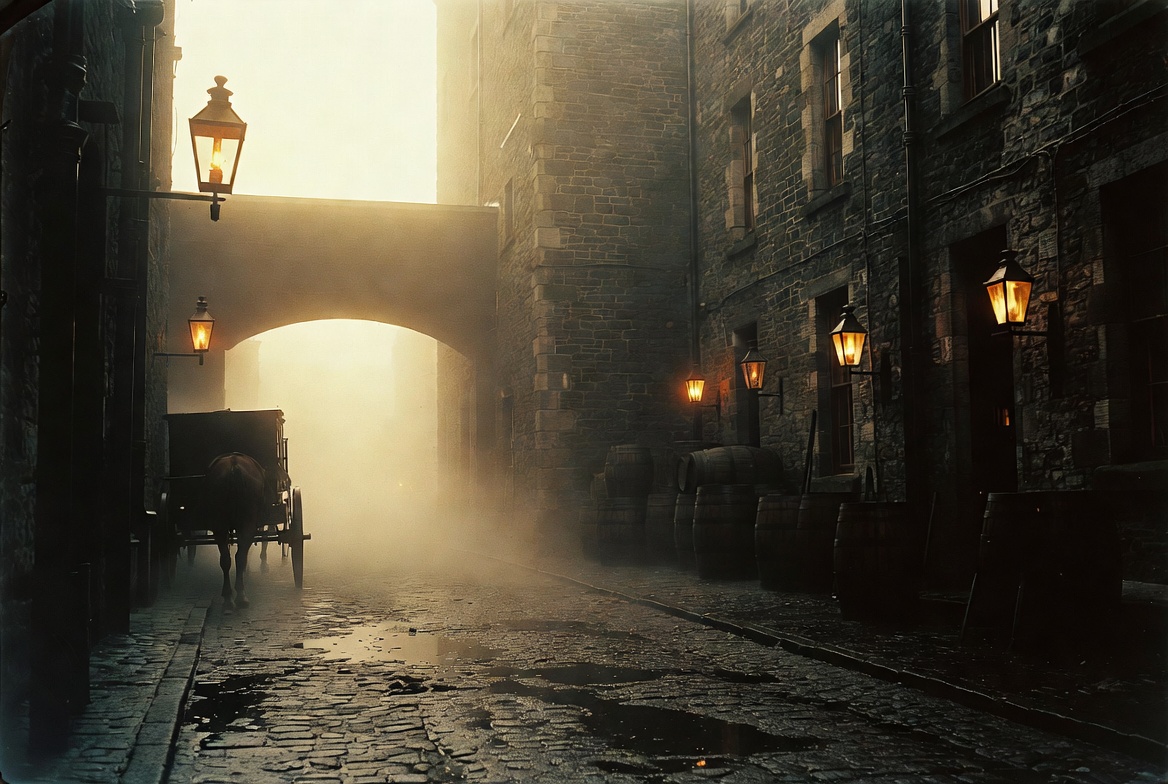
Arthur signs a lease on a four-acre disused brewery at St. James's Gate. The rent is fixed. The duration is 9,000 years. He is 34. It is, by some distance, the most confident commercial document in Irish history.
Guinness is initially an ale brewer. He switches to the dark, hoppier London style known as porter — and it sells. Within a decade, ale is gone from the brewery's books.
A stronger, more heavily hopped variant is brewed for the long sea voyages to Caribbean ports. It survives the heat and the months in barrel. Today this beer is called Foreign Extra Stout.
The brewery registers the Brian Boru harp as its emblem. Decades later the Irish Free State will adopt the same instrument as its national symbol — forcing one of them to flip. Read about the harp that faces both ways.
St. James's Gate becomes the largest brewery on Earth. It will hold the title for decades. It is also the largest employer in Dublin, and runs its own railway, fire brigade, and on-site infirmary.
The brewery's first poster campaign launches. Within five years, John Gilroy will draw the toucan, the seal, the kangaroo. The advertising will become as famous as the beer itself.
Mathematician and brewer Michael Ash perfects a way to dispense Guinness with a mix of nitrogen and CO₂. The result is the velvety, slow-cascading head that defines a draught pint to this day.
A small plastic device is patented to recreate the draught experience inside a can. It wins the 1991 Queen's Award for Technological Achievement. Engineers, not advertisers, deliver one of Guinness's most beloved innovations.
An old fermentation plant is converted into a seven-floor visitor experience shaped like a giant pint glass. It rapidly becomes Ireland's most-visited tourist attraction.
After four years of development, an alcohol-free version of the draught launches. Same recipe — minus the alcohol, removed by cold filtration. The harp adapts again.
My ancestor's choice of a 9,000-year lease was either the boldest signature in Irish history or the most patient.
— Anonymous · Guinness Family Annal
Continue Reading
Part I · 1725 — 1820
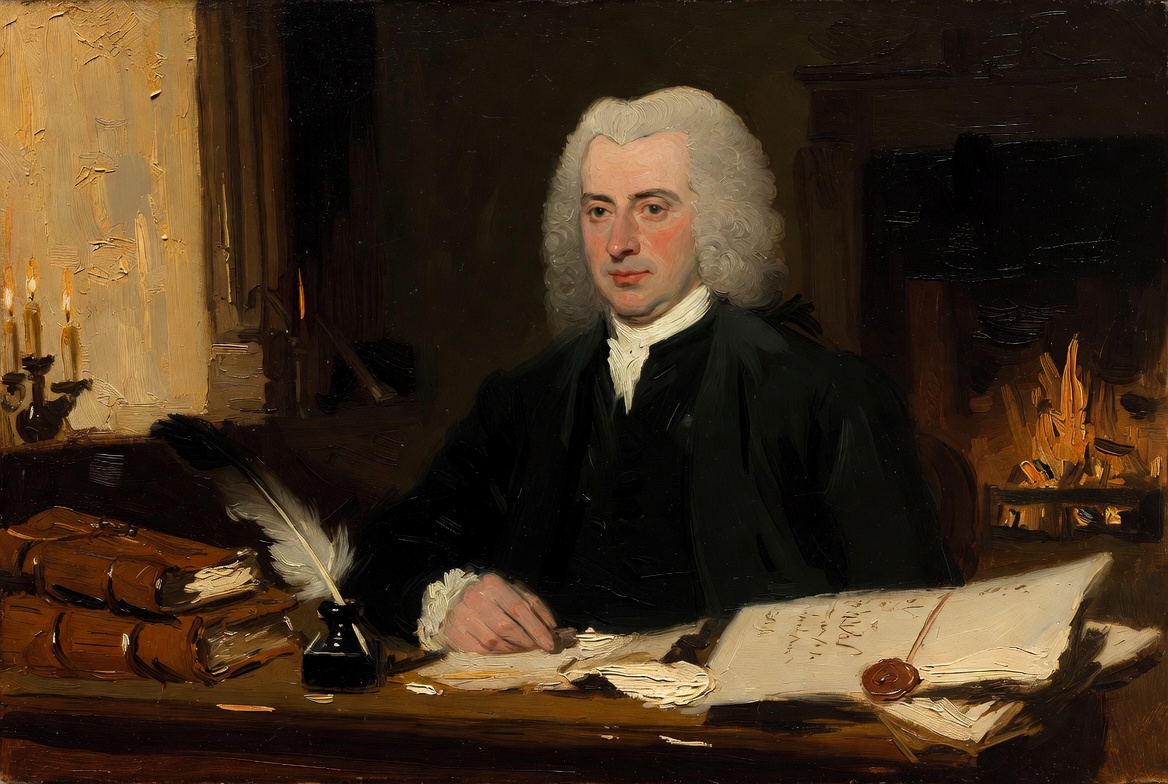
The man, the lease, the porter switch, and the export beer that would still be brewed two centuries later.
Part II · 1959 — Today
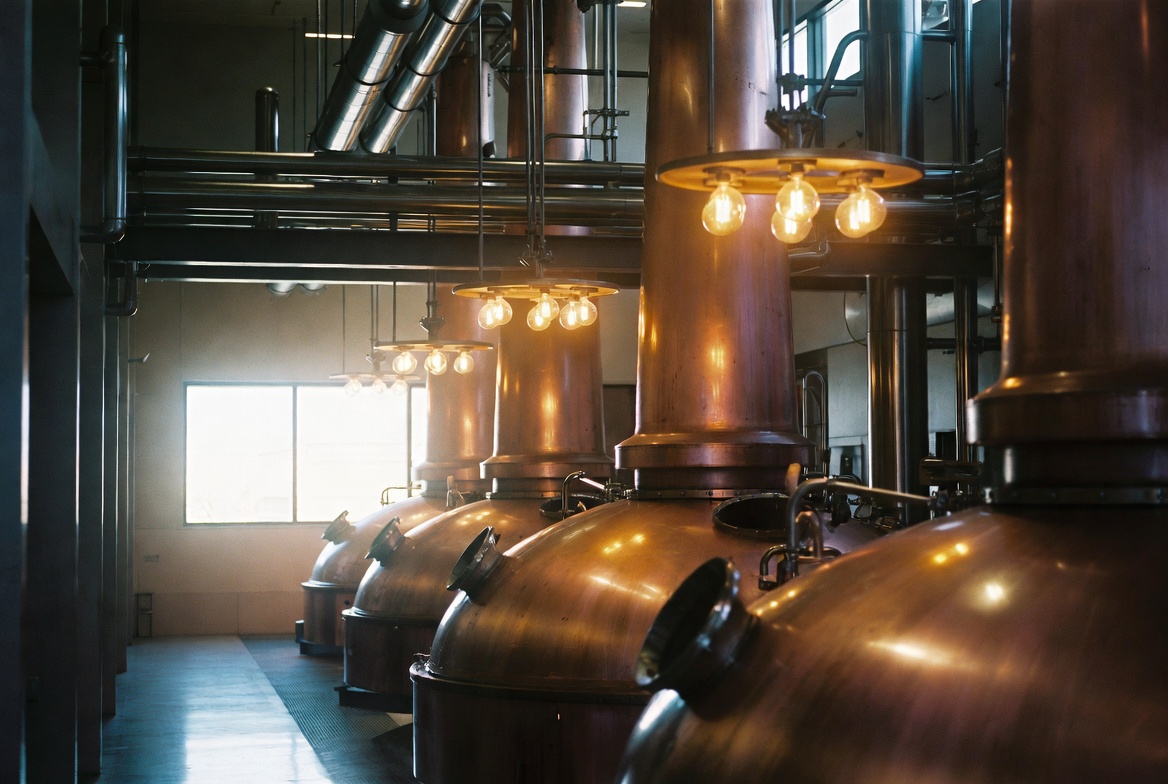
How a mathematician, a plastic ball, and a glass tower turned a 200-year-old recipe into a 21st-century brand.