Walk through the centre of Dublin and you will pass the harp at least a dozen times: on a passport, on a euro coin, on the front of the General Post Office, on a pint glass at every pub on every corner. It is the same instrument in every case. But look closely — the side it faces is not the same.
The instrument
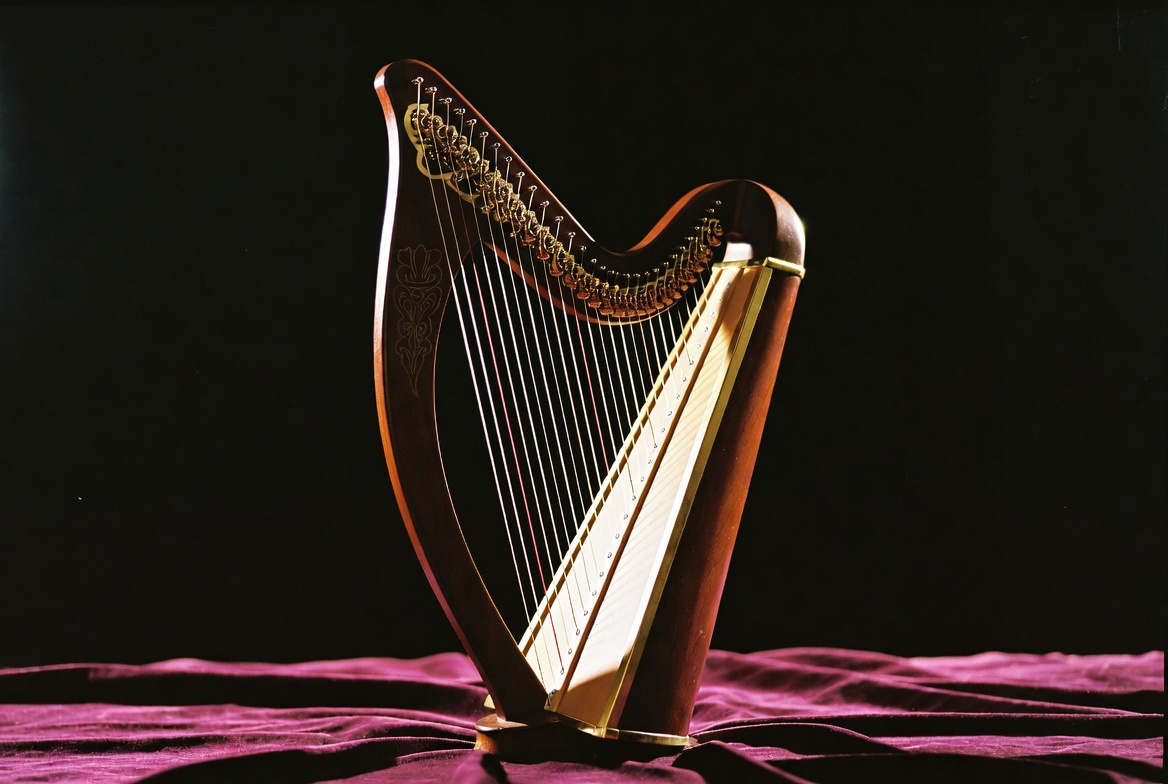
The harp in question is the Trinity College Harp, sometimes called the Brian Boru harp after the Irish High King who, legend has it, played one not unlike it. The actual instrument now sits behind glass at Trinity College Library; it is a 14th- or 15th-century willow-and-brass triangular harp, and it is the oldest surviving Gaelic harp in the world.
It became, gradually, the visual shorthand for Ireland itself.
The trademark
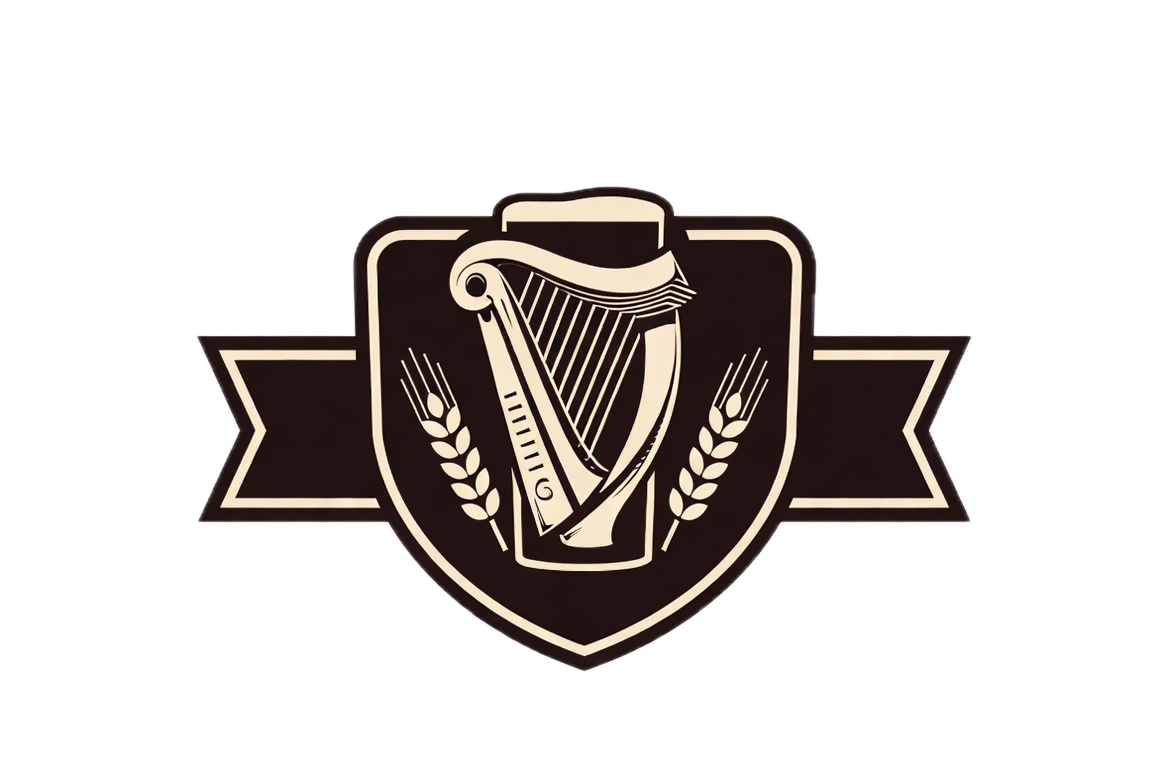
In 1862 the Guinness brewery registered an image of the Trinity Harp as its commercial trademark. The harp on the label faced one way: soundboard to the right, strings to the left. By the time the Irish Free State was established in 1922, the trademark had been in use for sixty years.
Then came an awkward problem. The new state, casting around for a national emblem, settled on the same Trinity Harp. There was no question of asking the brewery to give up its trademark; the brewery had, on paper, owned the image for two generations.
The mirror
The state's solution was elegant: it adopted the harp flipped. Where Guinness's harp had its soundboard to the right, the official state emblem — on passports, coins, government documents, the front of the GPO — faces with the soundboard to the left.
It is, in legal terms, a different image. In every other terms, it is the same harp, mirrored. Both versions exist comfortably in Irish public life. Tourists almost never notice. Locals occasionally do, and find it satisfying.
What this tells you about Irish institutions
The harp dispute is a tiny example of a recurring Irish pattern: avoid open conflict, find a workable mirror, let both versions stand. The brewery and the state share a symbol the way two friends might share a passing glance — same intention, opposite directions, no harm done.
It also tells you something about the brewery: a corporation old enough that, for a long time, it had a brand recognised before the country did.
Read also: The full history of Guinness →