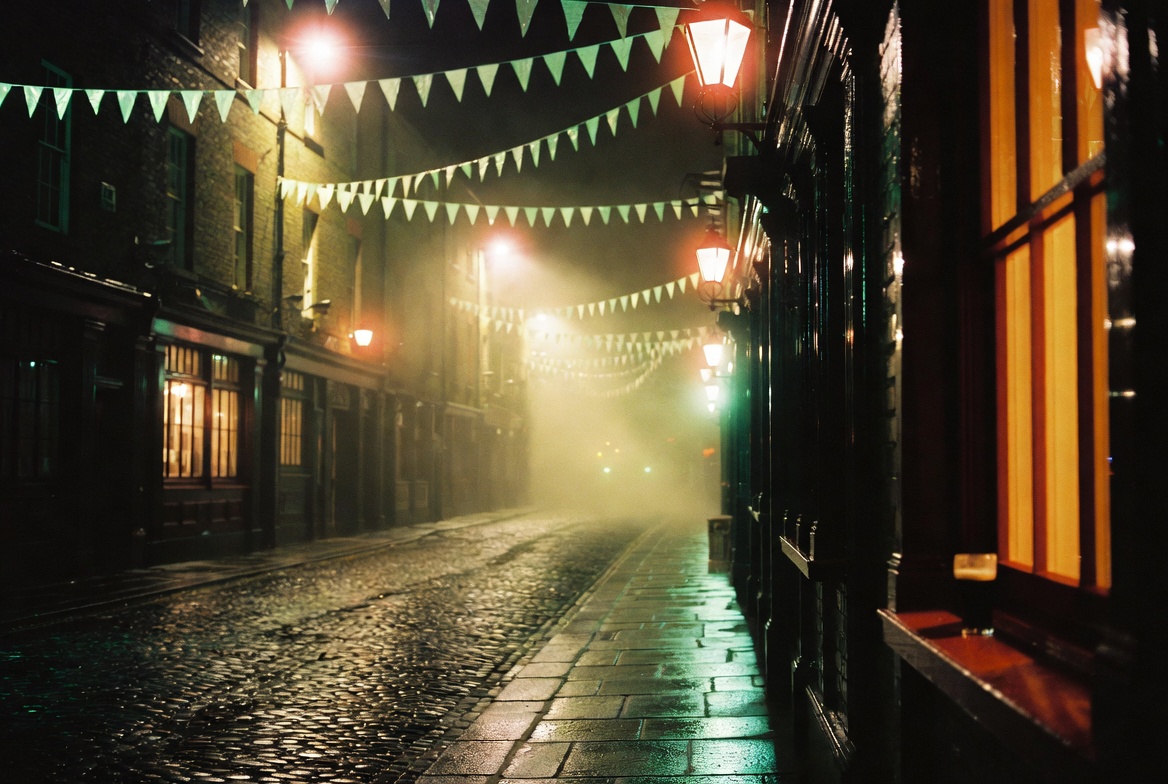
For most of its history, March 17 was a quiet liturgical date in the Irish calendar — a feast for the patron saint, observed with mass, family meals, and not much else. The pubs, by law, were closed. The drinking, when it happened, happened privately.
This is no longer the case. Today St. Patrick's Day is the most public Irish event in the world. Buildings turn green; rivers (in Chicago) are dyed green; Manhattan, Boston, Sydney, Buenos Aires and Dublin itself stage parades that draw millions. And the drink most associated with the day is, almost inevitably, a pint of Guinness — black, not green.
How the day became a global event
The transformation began in 19th-century North America. Irish emigration after the Famine of the 1840s scattered roughly two million people across the United States in a single decade. The first St. Patrick's Day parade had already been held in New York in 1762; by the late 1800s, the parade had become a major civic event in cities with large Irish populations. It was, for many of those communities, the one day a year when being visibly Irish was both safe and celebrated.
The pubs were a different matter. In Ireland, March 17 was a national holiday on which licensing law required pubs to be closed until 1961. In the United States, no such restriction existed — and the day's commercial life moved increasingly into the bar. Once the Irish pubs of New York, Boston and Chicago had a captive audience, Guinness was the obvious centrepiece: the only widely available stout, with an unmistakable identity, and the right brand.
Why the black pint won
It would have been easy — and was tried — for the day to settle on green-dyed light beer. It didn't. There are several plausible reasons:
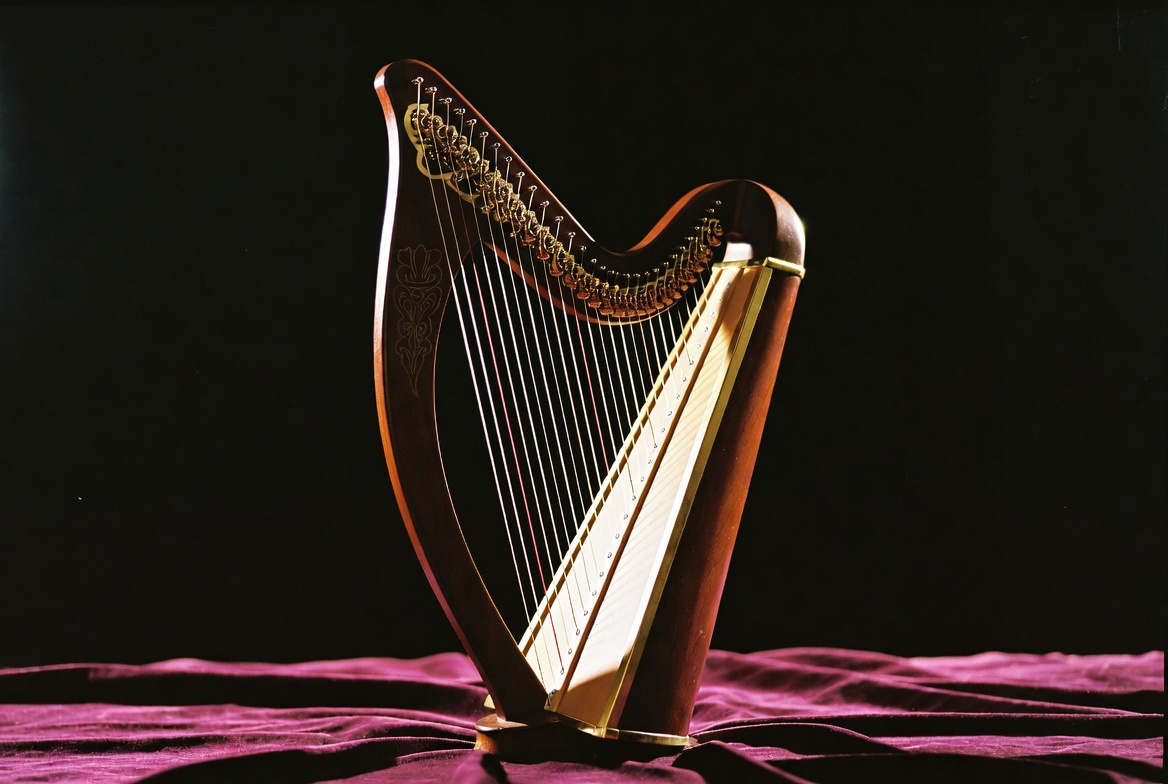
- The harp. The Brian Boru harp on the Guinness label is also the official symbol of the Republic of Ireland. The visual association is immediate.
- Authenticity. By the 1990s, “authentically Irish” had become a marketing virtue, and Guinness had a 200-year head start on every competitor.
- Pace. The two-part pour, the long settle, the sociable session beer — all of it suits a long, multi-hour day better than most other drinks.
What this means for the brand
St. Patrick's Day is now one of the largest single sales days in the brewery's annual calendar. Roughly 13 million pints of Guinness are consumed worldwide on March 17 — against an average of 5.5 million on a normal day. The day's commercial gravity has, in turn, shaped Guinness's self-presentation: the marketing leans into Irishness more on March 17 than at any other point in the year.
Whether one finds this charming, tedious, or commodifying is a matter of taste. What it isn't, anymore, is quiet.
Read also: The full cultural history of Guinness →